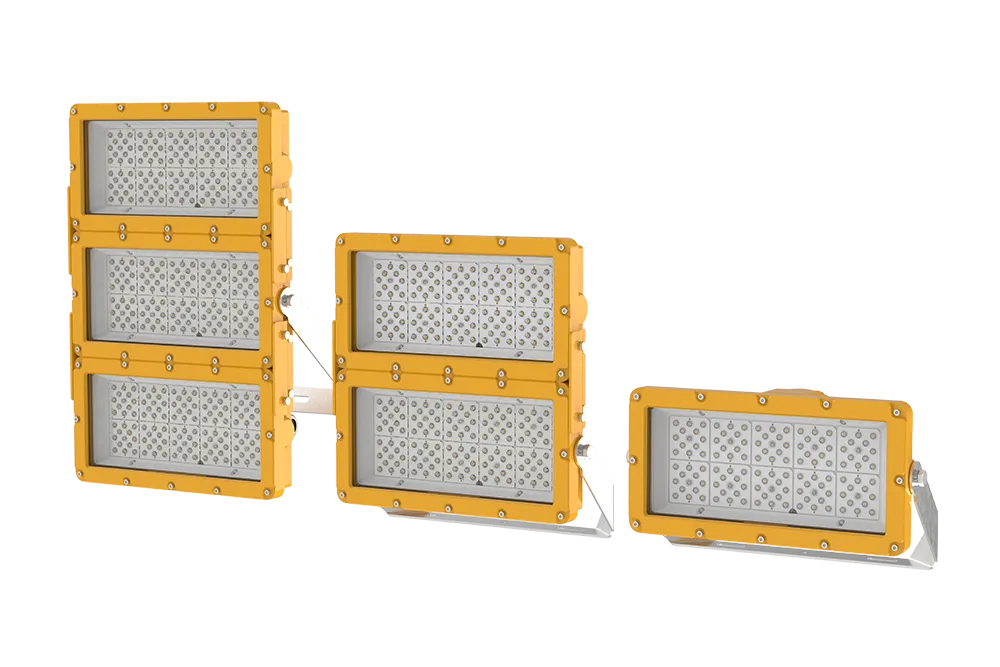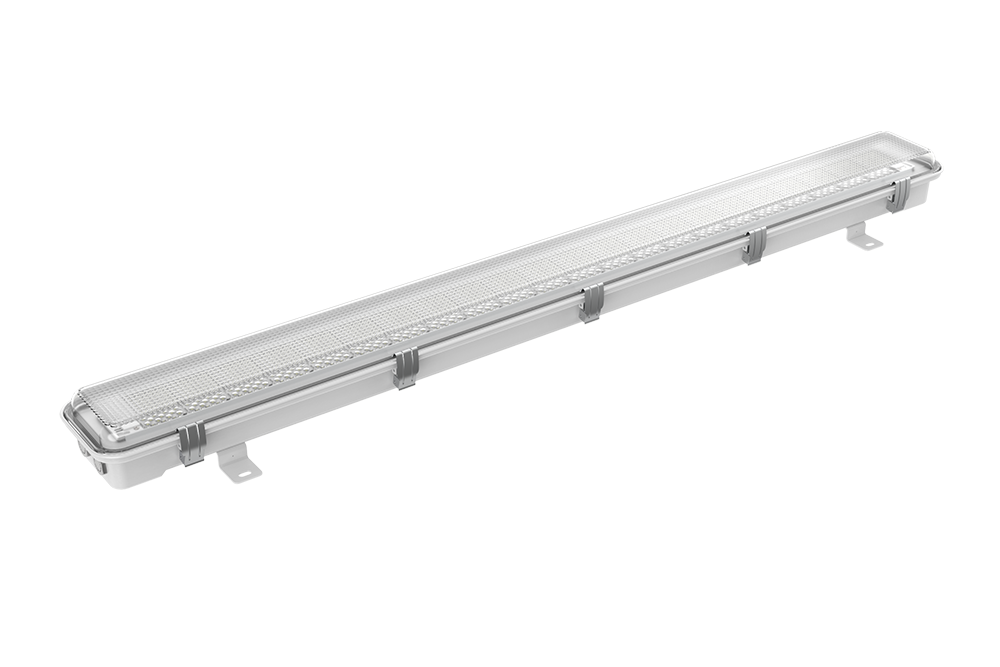
Commencing this document considers these methods involving blast-proof illumination alongside processing settings.
Acting dependably in treacherous areas especially pharmaceutical facilities entails tailored implements for the purpose of block imminent disasters. Fire-secure luminaires are paramount components in comparable settings, constructed to absorb discharges, flammable aerosols, and dangerous airspaces. Multiple units are not basically safe; alternatively they are developed to trap any inward arc or emission and halt it from triggering a amplified discharge in the adjacent location. This compendium provides vital knowledge about explosion-proof units, their purposes, and hazard prevention matters for implementing them safely.
Decoding Explosion Proof Lighting Standards
Adhering to these blast-proof lighting protocols can be tough, especially within fields managing hazardous conditions. These mandates – often based on international bodies including the National Electrical Standard (NEC), ATEX (Europe), and IEC – formulate explicit design and mounting procedures to prevent the chance of flaring from energized machinery. Understanding stipulated standards is important for ensuring team safety and respect with legal mandates.
Light Emitting Diode Blast Resistant Illumination: Output & Security
Electroluminescent blast-proof illumination devices exhibit a notable boost over conventional gas-discharge units in spaces where volatile vapors are detected. These durable devices exclusively produce premium energy management, culminating in diminished financial outlay, but notably promote a higher scale of risk mitigation by avoiding the likelihood of sparks due to voltage burst}.
Explosion Proofed Risky Location Treacherous Proof Fire Heat Spark Resistant} Units : A Extensive Examination
Ex Unsafe Zone Perilous Proof} Units are exclusively engineered lighting techniques built to run safely within possibly reactive zones. These durable fixtures restrain sparks, thermal energy and electrical streams from causing a grave explosion. They frequently incorporate specialized designs, embracing for example tight housings and essentially safe wireless modules to ensure safety norms in industries like hydrocarbon & petrochemical processing, production plants, excavation operations, and chemical production.
Selecting the Proper Explosion-Proof Sources for Dangerous Zones
Recognizing the most suitable detonation-safe illumination for a targeted potentially explosive environment entails thorough review. Variables such as the designation (e.g., Type I, II, or III and regions 1) are expected to be thoroughly determined to establish compliance with pertinent hazard control protocols. Besides the zone's built-in dangers, take into account local conditions, like warmth and condensation, to find a hardy and safe resolution. Usually refer to a experienced advisor to direct your resolution.
Locations Where Occur Explosion Proof Lights?
Explosion-proof sometimes termed intrinsically safe|hazardous location|Class-rated} illumination sources are unconditionally needed in any areas where combustible liquids or particles could probably create a risky atmosphere. This frequently includes production fabrication plants, blemish treatments application areas, grain handling facilities, and wastewater treatment locations. Regulations, such as those from NFPA and NFPA, require their use in these environments to mitigate the risk of fire and maintain safety continuity.
Perks of Solid-State Lighting in Hazardous Location Fixtures
Changing to Light Emitting Diode technology for intrinsically safe illumination offers a significant selection of positives. First, semiconductor devices boast a noticeably longer use span compared to traditional gas-discharge sources, reducing servicing expenses and downtime. They are also originally safer, producing attenuated caloric output which lowers the chance of ignition in flammable atmospheres. Also, luminescent sources are considerably energy efficient, leading to declined voltage use charges and a reduced sustainable environmental cost. Finally, the sturdy design of Crystal-Based assemblies resists the stringent situations typical of hazardous location areas.
- Amplified Functional Period
- Decreased Handling Outlays
- Enhanced Precaution
- Minimized Energy Draw
- Improved Stability
Sustaining and Monitoring Explosion Proof Lighting Systems
Frequent upkeep and full examination of detonation-proof lighting installations are importantly vital for preserving risk prevention and counteracting potential threats. This encompasses a timely review of all items, such as lighting devices, lines, conductors, and coupled terminal enclosures. Particularly, verify for deterioration, physical damage, and correct ground connection. Moreover, validate that total tags are understandable and that the lighting adheres to mandated standards.
- Execute sight examinations.
- Test power connections.
- Corroborate intrinsically safe properties.
Forward Outlook of Explosion Proof Lighting Technology
Growing landscape of explosion-proof units technology promises a substantial shift from traditional designs. Future technologies will steadily incorporate networked capabilities, enabling wide-area monitoring, diagnostics, and dynamic control. We expect a rising adoption of luminescent technology, not only for its fundamental energy efficiency, but also its aptitude to facilitate installed sensors for measuring unstable conditions. Furthermore, materials study is leading innovations in resilient casing materials, allowing for more compact and improved designs, while retaining the mandatory levels of risk mitigation.
- Augmented battery life for transportable applications.
- Blending with foreseeing maintenance structures.
- Design of self-maintaining lens methodologies.