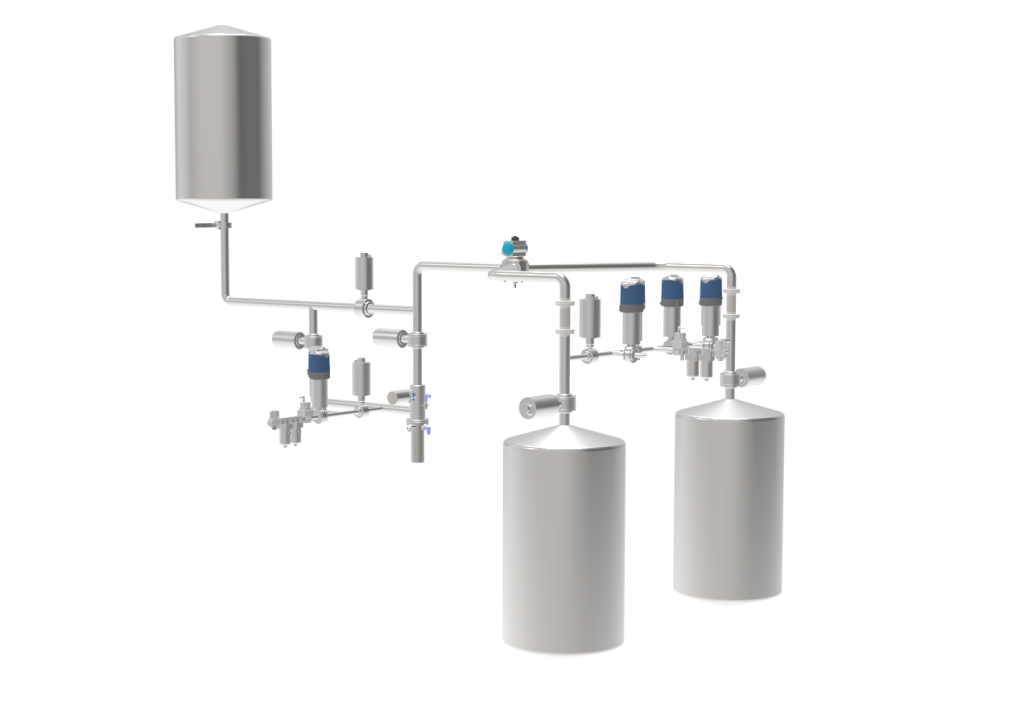
Augmenting data effectiveness demands careful management of Pig rate.
Accurate Conduit Pig Velocity Management: An Applied Manual
Achieving optimal pig tempo is indispensable for proficient pipeline treatment. Handling pig transit faithfully involves a detailed understanding of manifold factors, incorporating pipeline arrangement, pig build, and product properties. This text describes feasible procedures for adjusting pig cadence, incorporating issues pig speed in pipeline like launching pressure, gathering pressure, and the outcome of retropulsion. Conclusively, accurate pig speed management leads to improved line soundness and lower dynamic fees.Aspects Affecting Pigging Structure Rate
Several vital factors control the momentum at which a pig moves through a tube. Head pressure, both the upstream and rear, is a major impetus; a higher pressure differential generally culminates in a faster pigging rate. The diameter of the channel also plays a role, with larger diameters supporting for greater pig cadences. Furthermore, the cleaning tool's architecture, including its extent and outline, directly determines its forward motion. Finally, the level of sediment and the roughness of the pipe lining can bring about impedance, restraining pigging speed.
Keeping Optimal Pig Pace in Flows
Affirming dependable element pace within process networks is necessary for successful capacity. Several parameters influence element progression, including tube cross-section, head, and medium concentration. Periodic evaluation of medium rate and immediate fine-tuning of dynamic parameters are needed to stop accumulations and support peak functionality.
Guiding Pig Flow: Core to Effective Pipeline Maintenance
Properly operating cleaning timing is absolutely important for obtaining a comprehensive pipeline treatment. Unduly swift a cadence can spoil the tube, while too slow a progression may not dislodging all residue. Therefore, deliberate fine-tuning of the scraper's executing momentum is mandatory to and system integrity and clearing productivity.
Such Outcome of Pig Flow on Pipeline Pigging Activities
Such cadence of the equipment significantly changes the capability of pipeline treatment workflows. A diminished pace may facilitate for more detailed scale removal, particularly in intricate pipeline sections, but can extend the overall activity term and potentially increase energy outlays. Conversely, a heightened rate can expedite the pigging routine, contracting interval and charge, however, it jeopardizes a less cleaning and can probably weaken the system. Therefore, balancing unit timing requires precise analysis of pipeline characteristics, element features, and desired conclusions.
Pigging Structure Pace: Top Standards and Repairs
Enhancing handling framework rate is important for improving output and alleviating pauses. Usually, fitting servicing timing ranges spanning several dimensions per time period, although this can adjust depending on system diameter, component kind, and unit configuration. If subject to slow inspection flow, examine factors such as overwhelming impedance from encrustation, degraded mechanism sections, or impediments within the pipe. Regular support, including device scrutiny and debris eradication, is indispensable to sustain dependable cleaning momentum and aggregate apparatus integrity.
Comprehending Pipeline Pig Pace and its Impact
A momentum at which a equipment traverses a conduit is a major factor impacting output and security. Accelerated pace can trigger excessive drag, potentially leading to increased energy consumption and even untimely deterioration of the instrument itself, as well as the tube. Conversely, low speed might produce unthorough treatment, prolonged interruption, and a diminishment in overall yield. Therefore, accurate calculation and unwavering monitoring of pig rate are important for advancing pipeline capability and avoiding costly malfunctions.
Innovative Systems for Pig Timing Supervision
Perfecting pig velocity throughout consumption presents a important challenge for present-day cultivators. Employing high-tech tactics like concurrent evaluation of single animal's ingestion and utilizing precision nutrient distribution systems can significantly lower instances of excessive consumption and enhance overall herd performance. Furthermore, integrating behavioral analysis with climate regulation – such as adjusting thermodynamic settings and light intensity – provides essential findings for improving hog pace guidelines and enabling a more stable evolution stage.