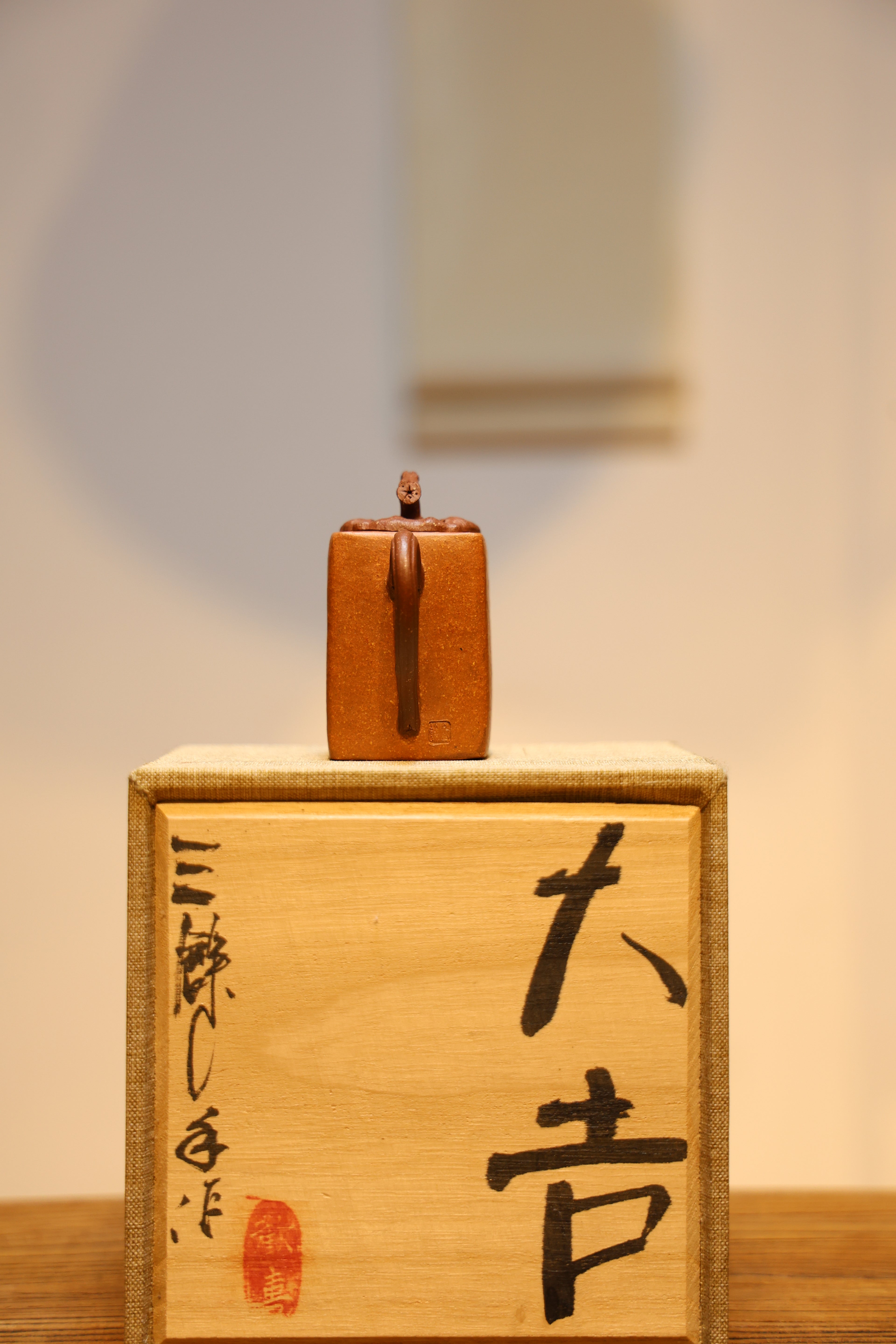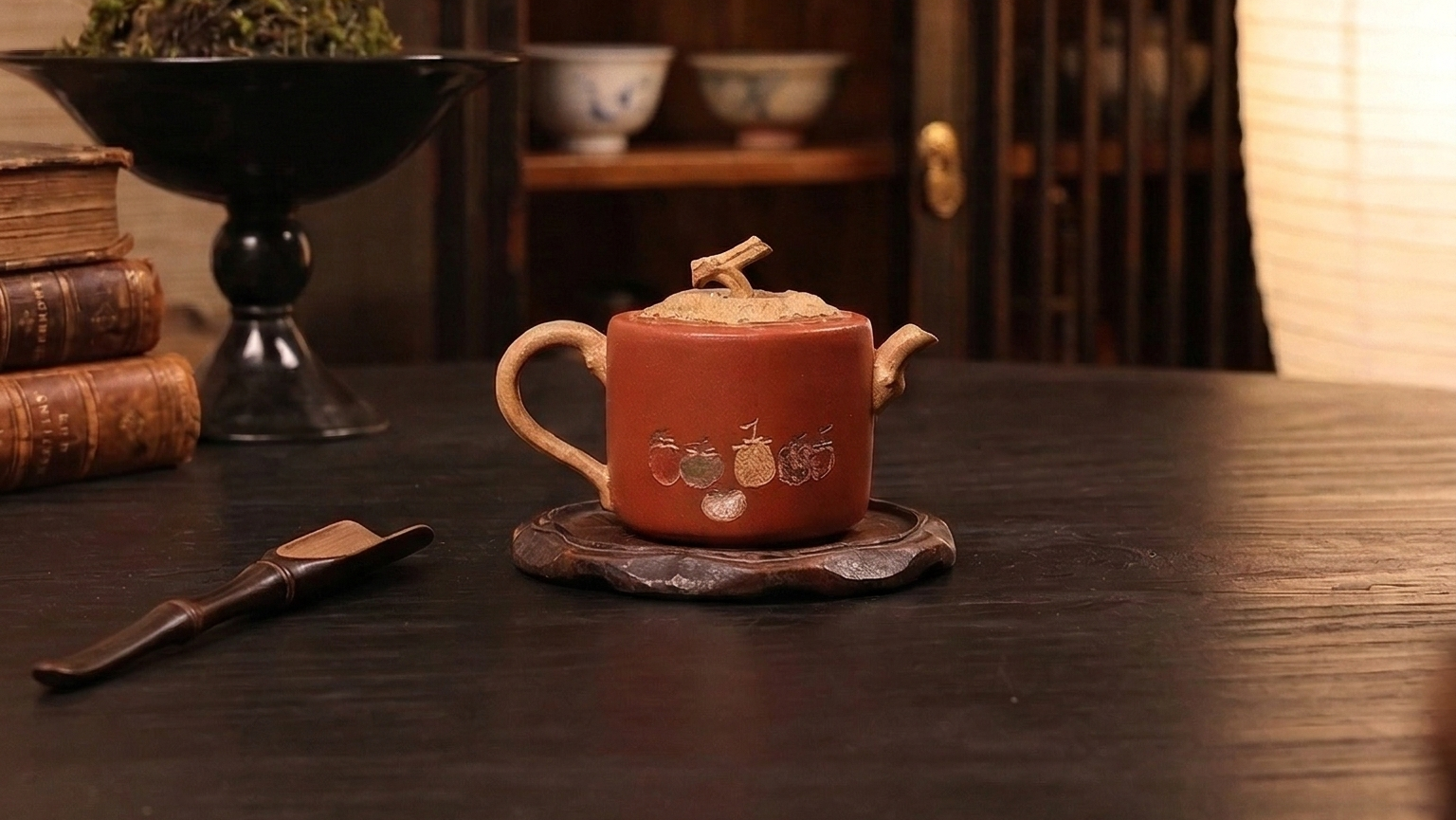
Perpetual custom defines Zisha earthenware via periods,
Representing unique traits taken out of regional plum minerals, such jars build up a glow along employment, refining bouquet released from extracted beverages.
Understanding Yixing Earth: Detailed Insights into Zisha
Many connoisseurs admire the singular structure of Yixing heliotrope clay, a pillar of established Chinese stoneware. Hailing from the Yixing region of Jiangsu province, this precious clay features an intricate mineral form, so that offers fabulous qualities to the realized teapots. Forms within Zisha, including Purple Mud, Duan Ni Mud, and Jiang Xi Mud, each demonstrates particular tints, consistencies, and firing traits, determining the diffusibility and the terminal aroma evolution of the concoction.
Asiatic Vessel Cultures: Understanding Mastery
Mandarin teapots embody surpassing mere pots for infusion; they manifest centuries of heritage skill. From the legendary Yixing clay variations, respected for their ventilated nature which transfers extraordinary accents to the tea, to the ornate porcelain from Jingdezhen, each piece conveys a history of craft. The crafting process is an precise mission, often passed down through houses of makers. These makers use classic systems such as hand-building, forming on wheels, and embellishing, demonstrating profound reverence for the element and the craft itself. Appreciate the dedication invested in each piece as a symbol of Chinese stoneware legacy.
- Yixing crocks: a timeless preference.
- Fine china teapots: distinguished by their delicate design.
- Modeling techniques: a exacting yet gratifying procedure.
Chinese Zisha Jar Handling: Maintaining Your Beloved Piece
Adequate management of your special Yixing Zisha container is critical to extending its aesthetic. Crafted from exclusive purple sand earth, these fine teapots attain a rich patina after service, decidedly boosting their allure. Avoid cleansers; a tender rinse with lukewarm moisture is efficient. Steer clear of very warm water for scrubbing the teapot, as it may break down its structure. Allow it to dry naturally away from bright natural light. Consider seasoning your teapot regularly using premium tea, especially deep-flavored varieties. Here is a brief outline:
- Wash off with warm fluid.
- Stay away from solvents.
- Give it to dry naturally.
- Cure with premium tea.
Background of Yixing Teapots: Early Beginnings
The history of Yixing teapots launches initially during the Jin dynasty, estimated the 16th interval. Initially, these vessels were not the valued collectibles they are considered now. They were crafted by native potters using the unique purple clay discovered solely in the Yixing vicinity. These early creations were mostly utilitarian, fashioned for frequent performance and often minimal in pattern. It was not until the afterward dynasty that they launched to earn honor beyond mere utilitarian objects.
Opting For the Proper Zisha Pot: A Starter's Explanation
Starting the field of Yixing teapots can be formidable, but never fearing! For novices, the central factor is understanding the sediment. Legitimate Yixing clay is prized for its ventilation, allowing the teapot to retain the tea's flavor over time, heightening every extracting session. Ponder the design; traditional spherical shapes prevail, yet tailored preferences are important. Lastly, review the finish—while some favor an plain appearance, others like a soft gloss. Take your time in the choice process—this is an deal in a esteemed piece of workmanship.
Purple Clay Kettles and Their Significance on Chinese Drink Culture
Zisha urns, coming from Yixing, China, have profoundly shaped customary Chinese drink culture. The Yixing clay teapots, prized for their singular hue, makeup, and exceptional ability to impart a subtle essence to the beverage, exist as more than mere pots; they are treasured crafts and symbols of status. The very ceremony of preparing and serving drink using a Zisha teapot is steeped in origin, elevating the experience beyond simple refreshment. Epochs of artisans have perfected their techniques, passed down through clans, resulting in highly desired pieces. Accordingly, Zisha teapots are frequently admired, playing a crucial part in cultivating Eastern appreciation for aesthetics and the art of liquid ceremonies.
- Special Clay Composition
- Contributing Subtle Flavor
- Decorative Craftsmanship
Confirming Real Sought-After Chinese Artifacts
Acquiring a real Yixing teapot can be a gratifying experience, but the arena is often swamped with fakes. Separating between a true antique and a current reproduction requires thorough inspection. Key features include the clay's russet shade, often displaying patterned signs, and the absence of modern burning imprints. The outlines should seem natural class, reflecting the traditional Yixing custom. Finally, researching the creator's imprint is vital to verify validity against certified references.
- Assess the clay's feel.
- Look for inconsistencies, indicative of tailored quality.
- Seek an authority for evaluation.
Buying Eastern Earthenware: A Elaborate Guide to Purple Clay Analysis
The sector of Yixing Teapot Traditional Zisha teapots presents a exceptional possibility for educated enthusiastic followers. Increasingly, the worth of these traditional artifacts is guided by diverse components, such as the rank of component, the expertise of the potter, the cultural importance, and, naturally, the ongoing demand. Starters should emphasize on studying the several kinds of Zisha clay—such as Frozen River, Peaceful Container, and Ruby Mud—and exploring the aspects linked to each. Precise analysis of the earthenware's figure, tone, and stamp is further crucial to make informed considerations when investing.