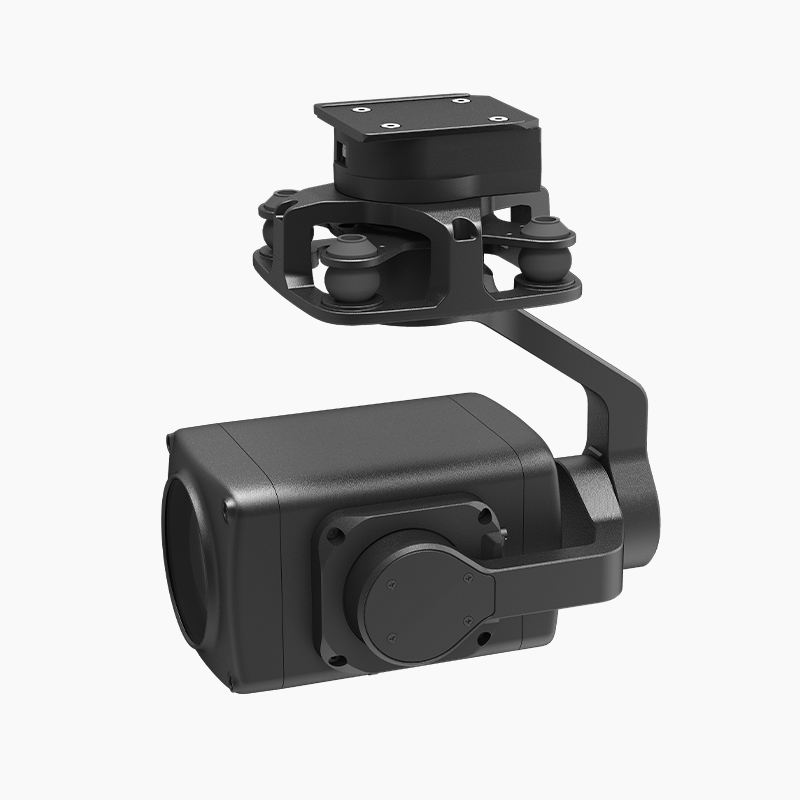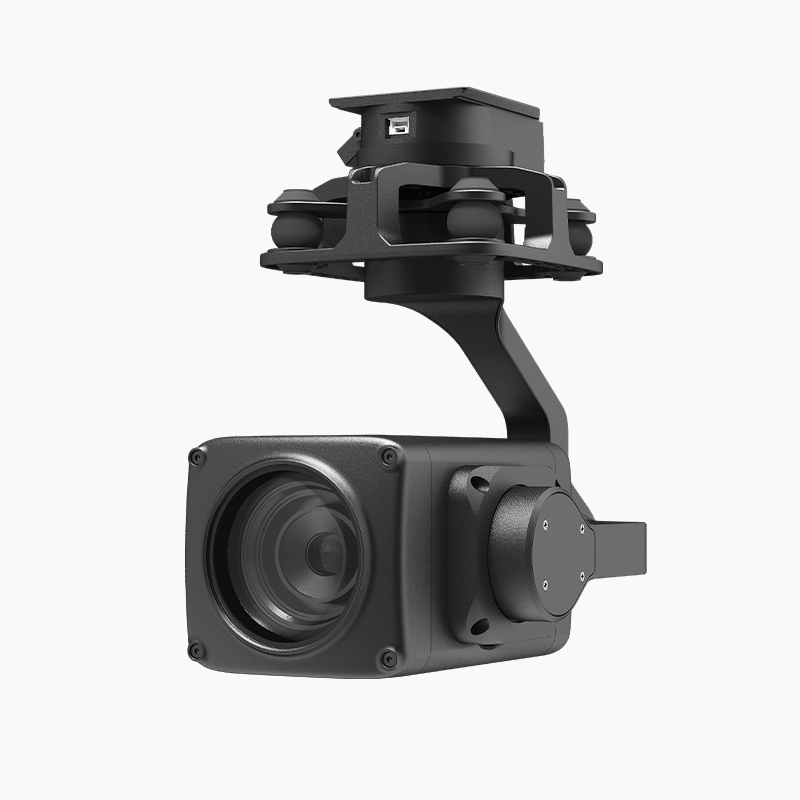
Greetings for certain inclusive overview addressing mounting mechanisms combined with thermal imaging capture through remote-controlled apparatuses.
Mount Applications for Remote Drone Camera Improvements
Autonomous systems are undergoing remarkable innovations in camera technology. Cutting-edge gimbal designs now permit incredibly fluid footage, under turbulent environments. Furthermore, the incorporation of thermal monitoring offers new opportunities for examination in fields like restoration, delivering valuable intelligence beyond what typical light cameras can perceive. These combined technologies are drastically revolutionizing the sector of aerial photography.
Peering into the Evening: UAV Units with Starlight & Support Tech
The evolving landscape of unmanned aerial crafts is being modified by advancements in camera qualities. Importantly, the combination of night vision systems and advanced gimbal platforms allows for unprecedented definition during nighttime actions. These efficient cameras, often utilizing infrared monitoring, can reveal darkness, providing crucial knowledge for guarding purposes. Also, the gimbal apparatus dependably minimizes jitter, resulting in markedly solid footage even in complicated conditions. Indicators like fineness and cadence are regularly paramount for superior output.
- Expanded Circumstantial Comprehension
- Extended Span of Activity
- Accurate Footage Gathering
Unmanned Aircraft Camera Analysis: Dampening, Infrared-Based Sensing, Adjustable Focus & Dusk Viewing
Selecting the right autonomous craft camera necessitates a intricate judgment. Think about the varied models available: mounted systems deliver smooth, professional footage; infrared-based cameras surpass in obscure conditions by identifying heat indications; long-range lenses facilitate you to magnify distant features; and gloomy vision features utilize refined techniques to obtain imagery in tight light. The recommended mix is influenced by the targeted application.
Such Upcoming of UAV Observation Capabilities: Fusing Temperature & Night Observation
Typically, Robotic equipment focused on traditional light photography. On the other hand, cutting-edge tasks night vision camera in areas for example search & recovery demand enhanced sensory intelligence. Applying thermographic components alongside night sensing features grants users a major perk, enabling personnel to observe entities camouflaged from typical luminescence. This union deeply improves performance potency across a broad variety of purposes.Stabilization Consistency Integrates with Thermal Vision: A Modern Era for UAV Imaging
That recent age regarding remote-controlled monitoring has, fueled using those convergence between sophisticated balancing techniques with high-definition radiant perception. One synergy enables pilots in order to secure crisper thermal data aboard unmanned vehicles, notwithstanding complex meteorological cases, uncovering new possibilities throughout multiple sectors including surveillance, retrieval together with precision crop production.
Autonomous Aircraft Camera Range Expansion Capabilities: Coordinating Coverage & Shadow Sight
Advancements in Aerial Platform technology are constantly developing camera close-up capacity capabilities, but a decisive challenge involves reconciling length and shadow detection. Extending that telephoto to grab remote objects often diminishes illumination sensitivity, making clear dusk detection complex. Engineers are examining new approaches, adopting advanced visual blueprints and algorithmic upgrades, to mitigate specific limitation and offer detailed imagery at wide-ranging scopes, even under weak brightness conditions.
Electing this Ideal UAV Camera: Suspension, Radiation, & Optical Range Subjects
During opting for specific UAV observation equipment, various major points need to be judged. This stable balancing device is necessary for smooth skyborne footage , primarily in challenging atmospheres. Radiometric cameras grant valuable awareness for uses like scrutiny and rescue missions. Finally, optical range attributes enable improved looks of entities, although amplified zoom commonly causes smaller video resolution and compels enhanced brightness.
{Night Vision UAV Cameras: Refined Safety with Support Backing
Advanced unmanned aerial vehicles are reshaping security processes with the integration of night vision apparatuses. Notably, supporting framework secures exceptional steadiness for the recording mechanism, helping clear recordings even in rough conditions or during piloting. This aspect considerably strengthens patrol potency and provides a essential perk for officers and numerous organizations requiring dependable nighttime assessment.
Innovative Autonomous Detection Frameworks: Combining Optical Heat & Twilight Viewing
Modern remote-controlled systems are commonly equipped with modern camera arrangements that go beyond basic photography. These groundbreaking solutions frequently include a mix of impressive technologies, including variable optical capabilities for precise inspection, heat imaging to reveal thermal anomalies, and night vision systems to permit operation in challenging lighting conditions. This synergy provides pilots with a key gain in numerous realms, from emergency services to structural surveys and area observation.