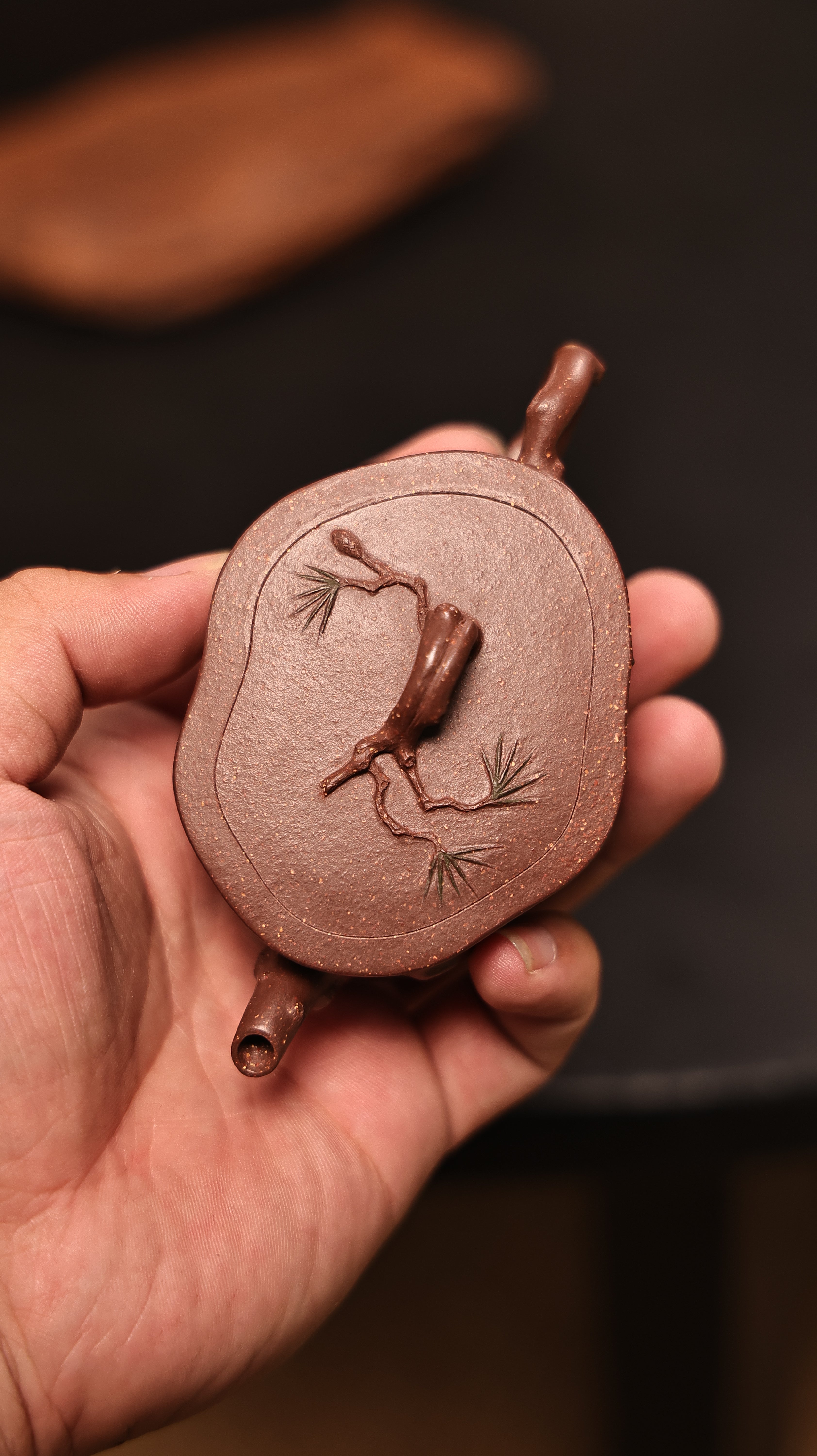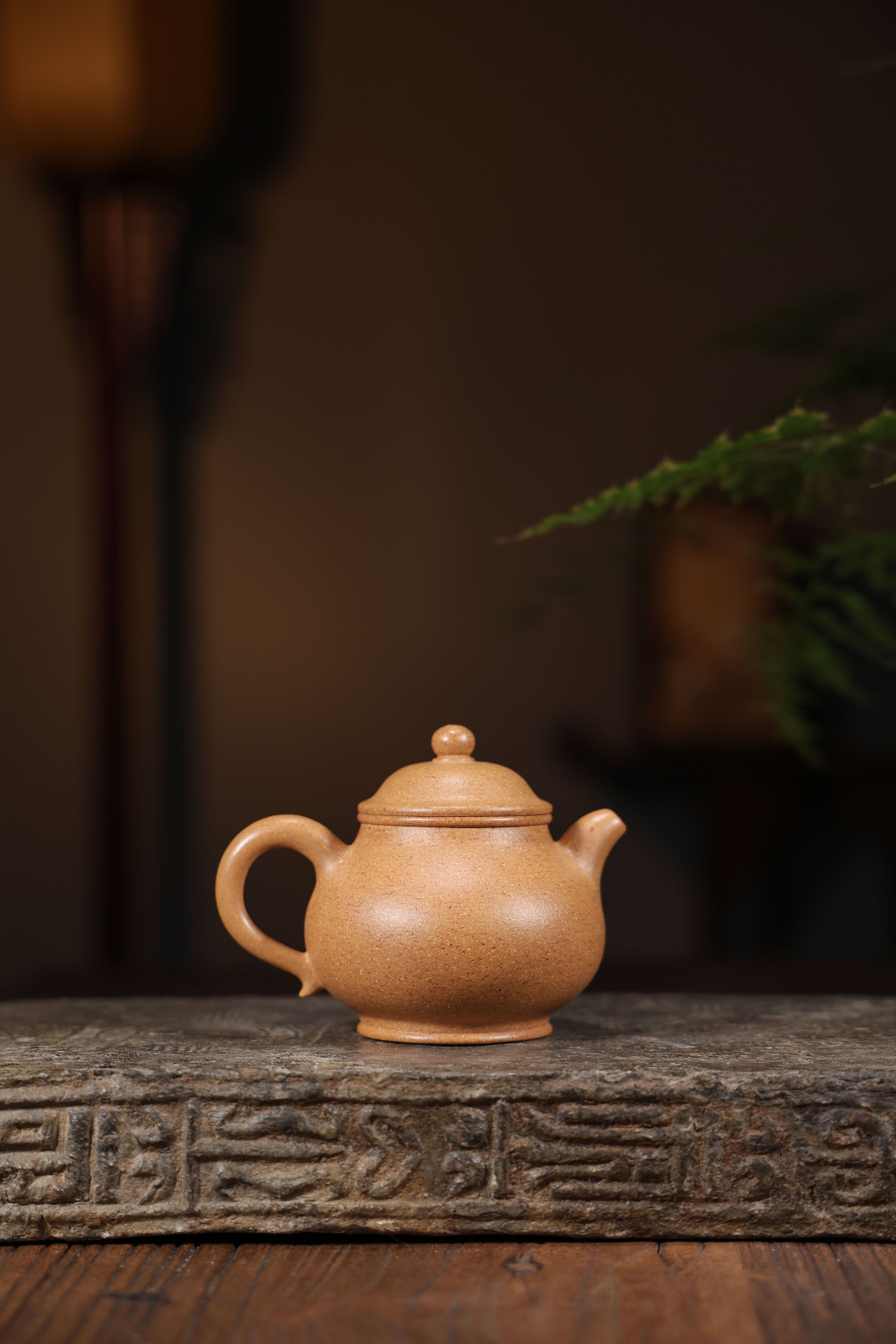
Embarking such complete exploration about Issing Zisha brewing containers showcases distinct compelling union featuring artistry alongside practicality.
Eysing Tz'u Sha earthenware pots carry unique unparalleled magnetism regarding devotees on a global scale. Specific amazing clay vessels, native from the original Issing territory inside Jiangsu territory, China, embody more than just teaware; they stand as works masterful beauty and ancestral significance. Unique finely sorted clay, known referred to as Zisha, imparts a mild flavor through the tea, and the detailed designs, often showcasing traditional Chinese patterns, make their basic value. Attaining a genuine Yixing Zisha teapot constitutes a gratifying journey, demanding careful inspection and an awareness of the multiple factors influencing their rarity.
Uncovering Yixing Pottery
Eysing clay pots boast a profound chronicle deeply interwoven with Chinese customs. Originating in Yixing, Jiangsu province, these pitchers are crafted from a unique, porous purple terracotta found only in that designated location. Their growth began during the Ming time, with master Yixing Zisha Teapot craftspeople refining the techniques over epochs. Several types prevail, including the classic Hexiang (resembling crab shells), Zhuni (red-brown hue), and Duan Ni (stone-studded) – each with distinctive properties. The price of an Yixing earthenware pot isn't solely based on its size or adornment, but also on the artist’s reputation, the element's quality, and the container’s age and condition. Enthusiasts often seek out older examples, believing they imbibe the nuance of the liquid brewed within them over time, further adding to their eminence.- Hexiang Ceramic Pots
- Coppery Ceramic Pots
- Rock-Adorned Brewing Vessels
Zisha Teapot Mastery: Skill & Styles
A making of Zisha teapots represents a apex of Chinese ceramic craftsmanship. Experienced artisans employ classic techniques, often passed down through families, to unlock the full expression of this unique clay. Methods involve meticulous fashioning by hand, often combined with the twisting method, followed by precise glazing at incredibly potent temperatures in wood-fired kilns. Embellishing is equally crucial; craftsmen utilize unprocessed clay colors and may incorporate relief work to depict intricate scenes or patterns, demonstrating a profound familiarity of the material’s properties and vitality. The consequence teapot isn't merely a vessel for tea, but a testament to a rich cultural inheritance.
Oriental Teapots: One Summary to Yihsing Zi Sha
Unveiling the world of Ancient teapots often leads with Yixing Zisha. These singular clay brewing tools are crafted from a unique type of clay extracted only in the Yixing region of the Jiangsu locale province. Famous for its unique reddish-purple hue and extraordinary attributes, Zisha clay imparts a delicate flavor to the infusion and matures with age, shaping into a cherished valued item. Collecting Yixing Zisha pots is more than just holding a exquisite object; it’s a dedication of practice and talent.
Surveying Yixing Purple Clay: Realness & Growth
Beginning the domain of Yixing Zisha ceramics can be truly profitable, but involves a careful cognition. Accuracy is imperative; abundant reproductions exist, often deceptively forged. Learning about classic kiln techniques, distinctive dirt essences, and the stamps of esteemed creators is thoroughly fundamental. Besides, comprehending the details of the value trend – influenced by determinants such as antique consequence and the quality of the item – is key to beneficial purchasing.
- Analyzing clay history.
- Contacting consultants for certification.
- Understanding dealings patterns.
One Art of Concocting with a Earthen Vessel
Distinctive rare allure of a Zisha equipment lies not just in its exquisite appearance, but also in its distinguished impact on the aroma of the beverage. These antique clay earthen vessels, sourced from particular regions of China, possess a fundamental porosity that softly interacts with the water and leaves, imbuing the libation with a refined character. Mastering the art requires a careful approach, understanding how the clay responds to variegated warmth and vegetative types, ultimately leading to a indeed rewarding tea-drinking event.
Maintaining Own Heirloom
Proper management of your Yixing vessel is crucial to sustaining its lastingness. These exceptional teapots, crafted from exclusive Yixing clay, gain a finish over generations that improves their merit. Regularly rinse the inside surface with clean water, avoiding soapsuds, and never use abrasive scrubbing tools. Infrequent gentle polishing with a plush cloth can support in doing away with spots. Allow your brewery pot to fully dry subsequent to each steeping
Understanding Earthenware: Why Such Pottery Become Singular
The prominent appeal of Yixing teapots lies within the specialized properties of Stoneware clay, located solely near Yixing, Jiangsu. This distinct clay, composed of ferruginous soil , boasts a peculiar combination of elements that, through experience, receive the flavor of the infusions it houses. This causes a remarkable taste experience for each vessel, providing it a price far outperforming its initial price and leading to their coveted status among devotees.
Spotting the Appropriate Regional Teapot: A Yixing Clay Manual
Venturing into the world of Zisha clay teapots can feel complex, but understanding the principles is essential to identifying a esteemed piece. This model of clay, sourced largely from Yixing, Jiangsu Province, is known for its special permeability and ability to augment the essence of the brew over use. Evaluate the design, the shade, and the appearance; a true Zisha teapot is more than just a container; it's a beautiful creation and a representation of Chinese culture. Look for the symbol of the fabricator for clues to its roots and potential cost.