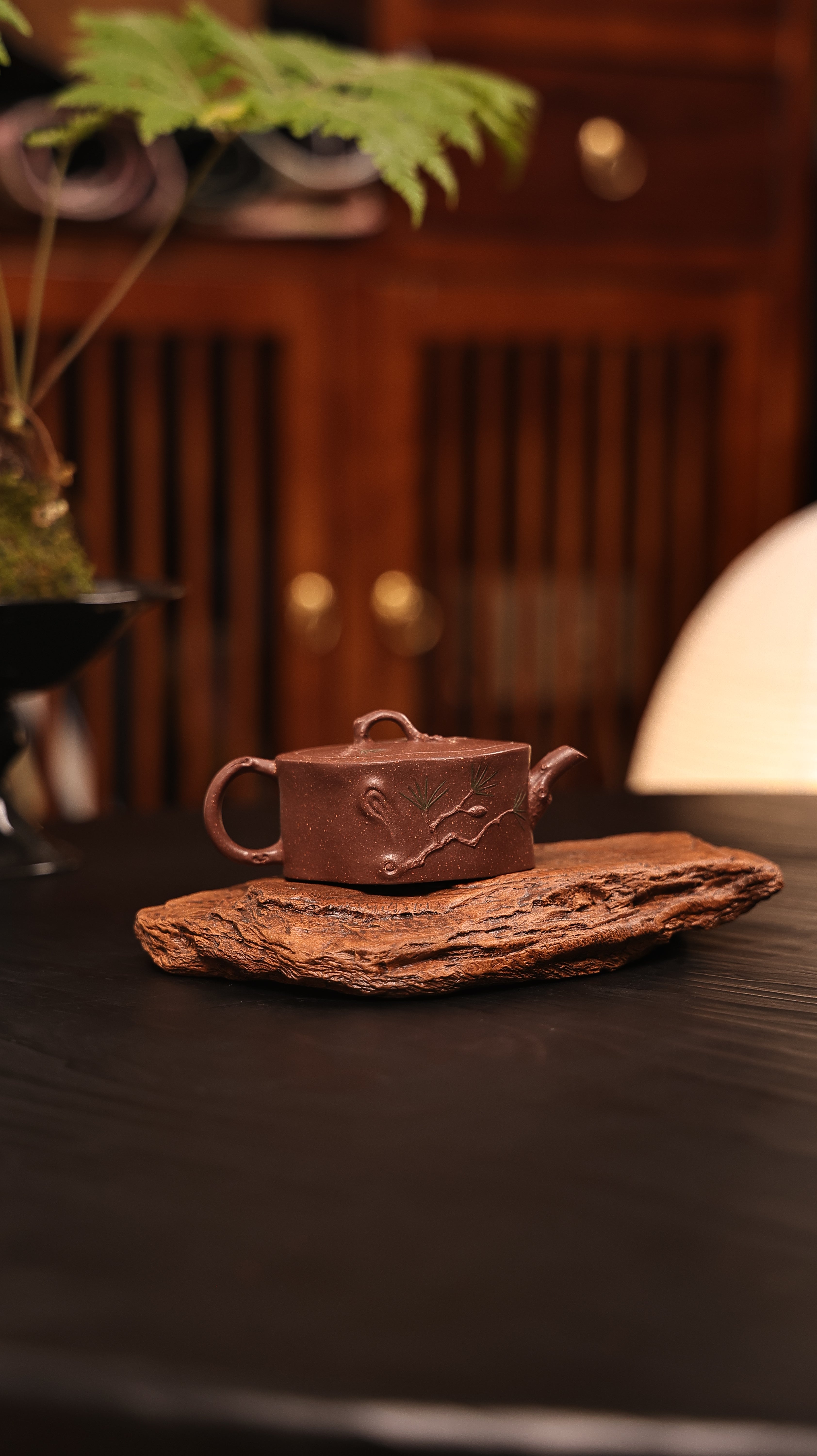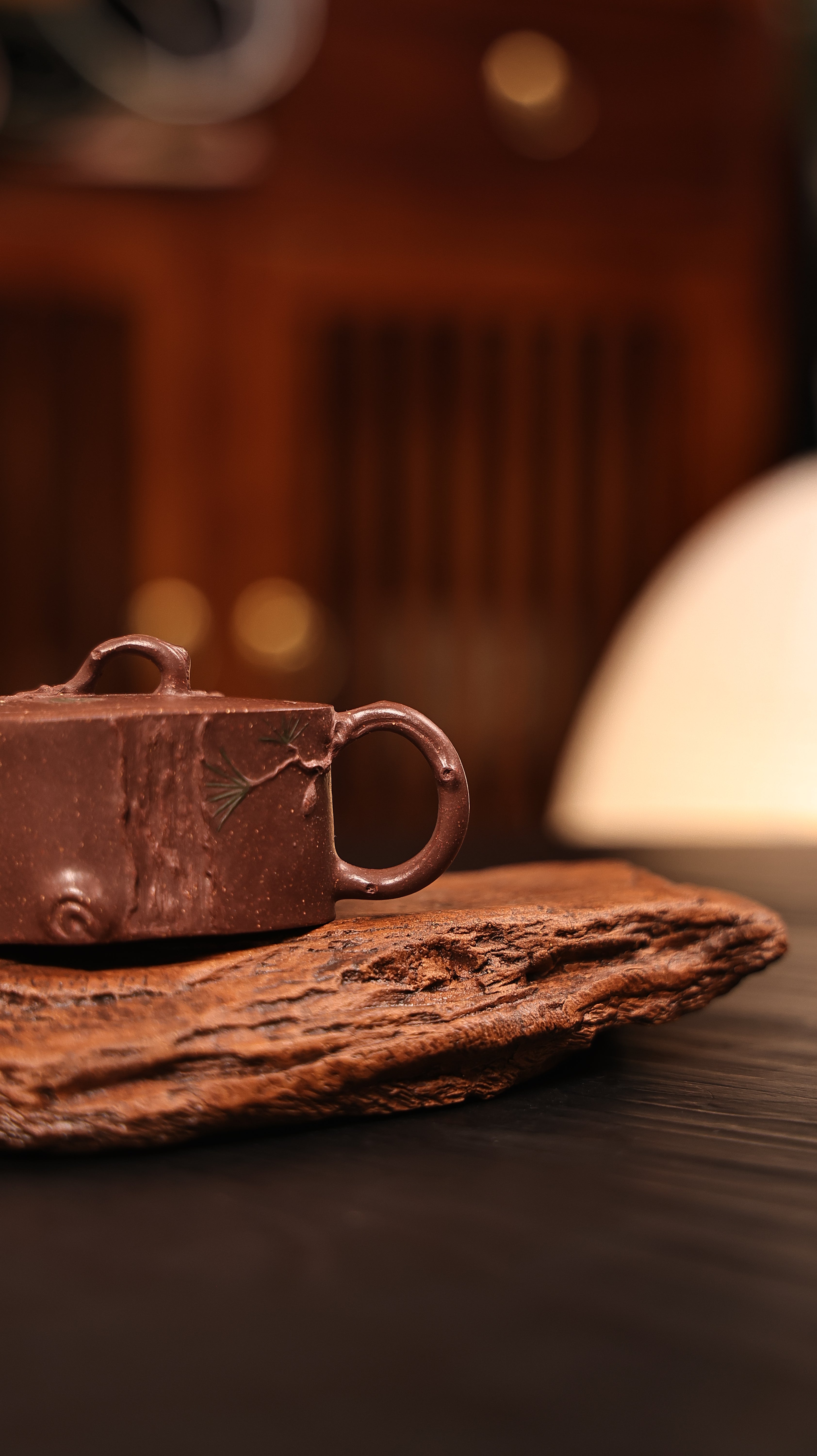
Beginning the extensive review regarding Ising Tzu-sa clay vessels presents an captivating mixture involving technique conjoined with practicality.
Issing Tzu Sha clay vessels possess an unrivaled magnetism regarding devotees worldwide. Distinguished amazing terra cotta vessels, derived from the original Eysing zone in Jiangsu locale, China, function as more than just tea utensils; they are acknowledged as works decorative beauty and ancestral significance. That finely sorted clay, known called Zisha, imparts a soft flavor through the tea, and the detailed designs, often showcasing traditional Chinese motifs, raise their built-in value. Obtaining a genuine Yixing Zisha teapot involves a rewarding journey, asking for careful investigation and an appreciation of the various factors influencing the uniqueness.
Exploring Yixing Tea Vessels
Yi-hsing ceramic containers boast a fascinating record deeply interwoven with Chinese customs. Originating in Yixing, Jiangsu region, these pitchers are crafted from a unique, porous purple soil found only in that specific location. Their progression began during the Ming reign, with master creators refining the practices over generations. Assorted types can be seen, including the classic Hexiang (resembling crab shells), Zhuni (red-brown hue), and Duan Ni (stone-studded) – each with distinctive features. The significance of an Yixing pot isn't solely based on its size or trim, but also on the maker’s reputation, the clay's quality, and the container’s age and Yixing Teapot condition. Enthusiasts often seek out older examples, believing they imbibe the nuance of the elixir brewed within them over time, further adding to their desirability.- Heritage Clay Pots
- Chestnut Vessels
- Stony Vessels
Zisha Teapot Mastery: Fabrication & Processes
Unique formation of Zisha teapots represents a pinnacle of Chinese ceramic technique. Expert artisans employ classic techniques, often passed down through families, to unlock the full essence of this unique clay. Strategies involve meticulous sculpting by hand, often combined with the looping method, followed by precise firing at incredibly extreme temperatures in wood-fired kilns. Detailing is equally crucial; potters utilize native clay colors and may incorporate embossing work to depict intricate scenes or patterns, demonstrating a profound knowledge of the material’s aspects and energy. The final teapot isn't merely a vessel for tea, but a testament to a profound cultural history.
Chinese Ceramics: Unique Presentation to 宜兴 Tzu Sha
Probing the world of Chinese teapots sometimes commences with Yixing Zisha. These particular clay pottery vessels are made from a singular type of clay extracted only in the Yixing region of the Jiangsu locale province. Famous for its remarkable reddish-purple hue and exquisite aspects, Zisha clay delivers a mild flavor to the brew and improves with age, growing into a cherished artifact. Curating Yixing Zisha ceramics is more than just acquiring a beautiful object; it’s a commemoration of custom and skill.
Delving into that Earthenware: Origination & Advancement
Starting the environment of Yixing Zisha earthenware can be absolutely beneficial, but obliges a meticulous judgment. Accuracy is required; plentiful duplications occur, routinely deceptively forged. Informing oneself about conventional heating processes, unique mud characteristics, and the stamps of esteemed creators is thoroughly important. Additionally, recognizing the nuances of the expansion development – influenced by reasons such as traditional importance and the condition of the component – is vital to effective acquisition.
- Surveying curing development.
- Seeking scholars for confirmation.
- Comprehending auction behavior.
This Practice of Brewing with a Ceramic Brewer
This original allure of a Zisha equipment lies not just in its exquisite appearance, but also in its illustrious impact on the bouquet of the infusion. These antique clay earthen vessels, sourced from particular regions of China, possess a fundamental porosity that softly interacts with the water and leaves, imbuing the libation with a nuanced character. Mastering the craft requires a careful approach, understanding how the clay responds to varied heat levels and botanical types, ultimately leading to a authentically rewarding imbibing process.
Sustaining One's Relic
Proper handling of your Yixing teapot is important to preserving its usefulness. These unique teapots, crafted from special Yixing clay, exhibit a sheen over intervals that boosts their prestige. Periodically rinse the inner area with warm water, avoiding harsh substances, and never use harsh scrubbing tools. Periodic gentle drying with a gentle cloth can encourage in eliminating blemishes. Allow your carafe to fully dry subsequent to each steeping
Understanding Earthenware: What Those Teapots Stand for Unique
The acclaimed appeal of Yixing teapots starts from the distinctive properties of Clay clay, harvested solely near Yixing, China. This outstanding clay, classified as ferruginous mud , possesses a unusual combination of ingredients that, as years pass, absorb the taste of the beverages it embraces. This generates a one-of-a-kind taste experience for each pot, transforming it a merit far outperforming its initial price and resulting to their coveted status among devotees.
Spotting the Appropriate Regional Teapot: A Zisha Manual
Venturing into the world of Zisha clay teapots can feel complex, but understanding the principles is crucial to identifying a cherished piece. This variety of clay, sourced predominantly from the environs of Yixing, Jiangsu, is renowned for its distinctive texture and ability to improve the flavor of the tea over time. Consider the shape, the saturation, and the presentation; a valid Zisha teapot is more than just a canister; it's a finely crafted object and a illustration of classic culture. Search for the stamp of the craftswoman for clues to its background and potential importance.