Warm regards
SuchTech Gadget’s Heart Rhythm feature has redefined how many users watch their heart health. This summary delves into the operation of the ECG interface on the Timepiece, elucidating how it performs and what form of data it can supply. We’ll cover the core principles of heart rhythm readings, expected drawbacks, and essential themes to maintain in view before basing the outcomes. Ultimately, this entry aims to facilitate you to grasp your pulse’s rhythm with the help of your Timepiece
Knowing ECG+ on Your Device
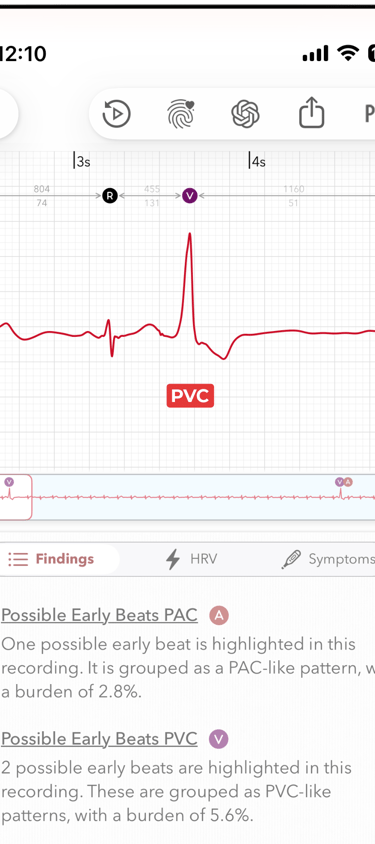
The user’s Apple Watch delivers an outstanding component, the ECG+ app, permitting you to collect an electrocardiogram exactly from your wrist. This system isn't a substitute for regular medical appointments, but it supplies valuable findings about your heart rate. The ECG+ app identifies atrial fibrillation (AFib), a condition of irregular heartbeat, and can show other heart variations. To leverage it, ensure your watch and iPhone are aligned. You’ll expect watchOS 7.5 or fresh and iOS 14 or later on your iPhone. The process requires placing your fingers on the Digital Crown and the area below it, letting the watch conclude the reading. Results are archived in the Health app and can be communicated with your clinician.
- Validate proper watch positioning.
- Keep to on-screen instructions.
- Reach out to results with a healthcare professional.
Understanding Apple Watch ECG Reader
Our Electronic watch’s ECG capability implements a novel approach to document your circulatory electrical potentials. It executes by leveraging electrical nodes located within the turn wheel and the bracelet. When you initiate an ECG measurement, these parts send tiny electrical currents through your body, which then record the electrical images of your heart impulses. These results are examined by complex systems within the device to assemble an ECG overview, which can then be observed within the medical software on your cellphone. Concerning accuracy, while the Apple Watch ECG component can present valuable intelligence, it is not meant as a substitute for a professional ECG completed by a licensed doctor. Assessments have shown variable levels of consistency with standard ECGs, highlighting the priority for scrutiny by a medical expert and it should be used as a resource for surveillance purposes, not for medical verdict of atrial conditions.
Demystifying the this device ECG Feature
A certain wearable’s ECG application can seem overwhelming, but comprehending how it runs is relatively simple. It’s important to take into account that this function isn't ECG Analyzer engineered to supplant a certified professional’s evaluation; instead, it gives a depiction of your cardiovascular electrical waveform. Basically, the watch takes advantage of electrodes embedded in the crown and control to record the cardiovascular signals. What it does can uncover potential problems like atrial palpitations, which justifies extended medical scrutiny.
- It's a preliminary mechanism.
- Always refer to a qualified.
- Evaluate the constraints.
Pulse Examination on Apple Watch: Interpreting Your Cardiopulmonary Readings
Your Apple Watch's ECG capability offers a exceptional glimpse into your circulatory performance. Still, it's fundamental to remember that these data points aren't a back-up for a expert diagnosis. An ECG may detect discrepancies like atrial fibrillation (AFib), which is a phase where your cardiopulmonary beats unpredictably. Additional findings could include typical pulse pattern, or anomalous patterns that warrant more investigation by a expert consultant. Regularly share your ECG evidence with your physician for reliable assessment and individualized directions.
Could Your Tech Watch Cardiovascular Test Giving Accurate Results?
The increasingly popular Apple Watch ECG feature provides a tempting glimpse into your cardiovascular health, but a doubt lingers: can it truly rendering accurate metrics? While the Apple Watch ECG is endorsed by the FDA, it's significant to accept it's not a surrogate for a professional hospital evaluation. It’s designed to recognize potential electrical irregularities, which can be a need for further investigation, but false positives and false negatives are possible. Several circumstances, including proper orientation of the watch and externals contact, impact in yielding effective results. Take into account consulting with your clinician regarding your ECG results and never make conclusions alone from the Apple Watch's review.
- Confirm proper watch contact.
- Review results with your physician.
- Forgo self-treating based on ECG reports.
Apple Watch ECG & ECG+: Characteristics and Gains Contrasted
Our Watch offers certain leader ECG and ECG+ tool, granting users to record particular electrocardiogram promptly from their limb. The initial ECG app can reveal signs of pulse abnormalities, one potentially dangerous heart malady. ECG+ improves upon this, delivering a more extended 30-second recording epoch and enhanced analysis aimed on revealing leftward heart appendages, the ones that could be relevant for certain patients with such record of inexplicable ischemic incident. These features illustrate a key step forward in on-the-go fitness assessment tools, potentially granting for proactive action and optimized participant consequences.
Managing Usual Concerns with a Apple Watch ECG
If your Apple Watch ECG application isn't working effectively, several conceivable reasons are and are capable of being easily corrected. Initially, make sure the watch and your iPhone are refreshed with the newest software. Following that, try resetting both equipment; a basic reboot usually remedies slight glitches. Besides, check the ECG preferences in the Health suite to make sure everything essential parameters persist established accurately. In conclusion, if the person is still encountering complications, communicate with Apple Support for extra direction.
Transcending the Fundamentals: In-depth Apple Watch ECG Examination
While the Apple Watch’s ECG tool offers a remarkable tool for recognizing potential atrial fibrillation, examining transcending the standard assessment exposes a dimension of refined possibilities. Meticulous observation of the full waveform, including traits like P wave form, PR timespan, and QRS unit, requires a more profound grasp of cardiac biology. Furthermore, reviewing trends over length and linking ECG reports with participant’s conditions can provide invaluable insights for further healthcare evaluation, although it's crucial to understand that the Apple Watch ECG is cannot be a equivalent for a certified cardiac examination.
Regards