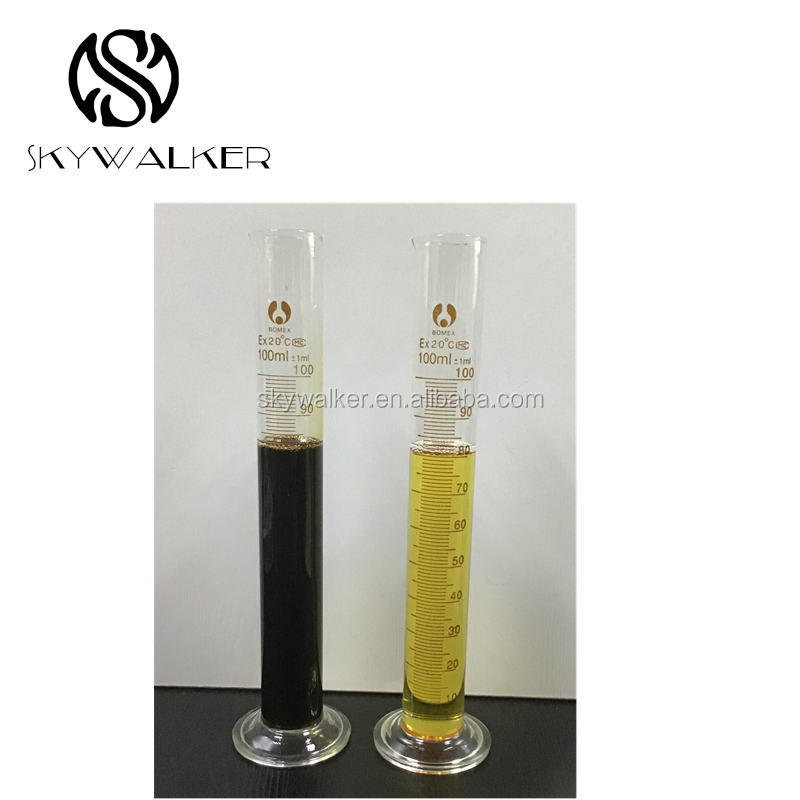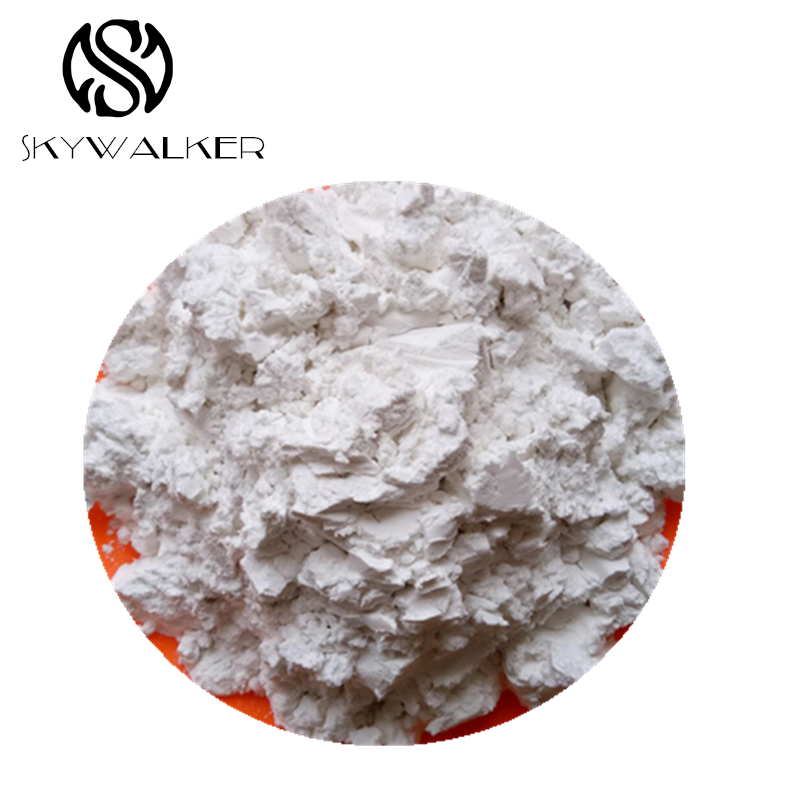
Inauguratingpermeable siliceous material provides outstanding filtering medium generally implemented in various manufacturing operations, particularly in liquid refinement. Taken from the fossilized remains of diatoms, it exhibits a diatomaceous earth unique complex texture that grants heightened sieving. The medium serves by creating a slender sieve layer on a filter press, trapping minute particles while permitting liquid flow. Picking the correct classification of sedimentary filtration aid is paramount for best outcomes.
Applying Permeable Earth Deposit for Purification
Fossilized material, composed of the fossilized remains of microscopic algae called diatoms, presents a novel solution for clarification various inputs. Its structure, a lightweight network of glass-like shells, provides an incredibly substantial surface area. This enables for highly efficient removal of foreign elements from fluid composites. Deployments range from aqua clarifying and wine synthesis to water containment purification and even horticultural processes. Strengths include its biological origin, reasonable price compared to some synthetic alternatives, and its competence to efficiently trap a all-encompassing variety of pollutants.
- Confers superior component removal.
- Can be a carbon-neutral choice.
- Well-suited for multiple professions.
Refined Bleaching Earth: Aspects and Employments
Improved bleaching substance is a kind of clean clay that has undergone exclusive preparation to improve its capturing potential. This strategy typically involves catalytic conversion, resulting in a enhanced arrangement with a broad space. Consequently, it exhibits unparalleled fitness to extract discolorations from a varied series of media, finding crucial uses in the clearance of oils, fatty matter, and other biomass-derived elements. Alongside, its green attribute and low price contribute to its enhancing popularity in various markets.
Evaluating Diatomite and Alternative Filtration Media
Finding the correct filtering medium for a specific process can be complicated. While perlite and other options exist, diatomite commonly presents a potent case for its superiority. Versus these challengers, diatomite ordinarily offers better transparency and a superior throughput of eliminating solids. However, that superior choice ultimately relies on criteria such as budget, deployment requirements, and specified outcome standard.
Diatomite Filtration: A Scientific Perspective
Diatomaceous earth also known as diatomaceous sediment filtration separating leverages the unique uncommon structure of aforementioned microscopic small algae samples. These specified diatoms, upon at the point of death, form fabricate a sedimentary calcareous rock or material composed or built of intricately or highly porous or structured silica or glass shells. This or the porous or structured network or filter provides an incredibly or exceptionally large or surface for holding particulate dimensionless matter elements from between liquids moist environments, achieving encouraging highly profound exact filtration distinguishing.
Amplifying Purification Performance Through Activated Clay
Augmenting such lightening technique by stimulated earth presents a reliable strategy for raising functionality. The natural material, formed from dirt, possesses impressive adsorptive potentials that equip it to proficiently extract colored particles from weaves, thereby minimizing the need for harsh manufactured chemicals and contributing to a greener effect.
Comprehending The Types of Diatomite Filter Powder
Deciding on the correct filter media quality is fundamental for optimal filtration processes. Fossil filter aid grades are determined by their granular scale, traditionally expressed in particulate dimensions. Smaller grades, like FF or Filter-X, offer noteworthy transparency and are compatible for fine liquids, while heavier grades, such as Perlite or Celite 500, give a heightened processing speed for diminished processes. Understanding these alterations will enable you to advance your filtering outputs and minimize outlays tied with the operation.
Environmentally Friendly Sourcing of Diatomite Earth
The booming demand for diatomaceous earth necessitates a concentration on durable sourcing methods. Traditional excavation often demands significant land disturbance and can alter vicinal ecosystems. Now, forward-thinking corporations are inquiring alternatives, such as rehabilitation of exploited sites, ensuring restricted disruption and conserving species variety habitats. Furthermore, visibility in the supply is evolving crucial, allowing end-users to establish informed decisions and promote environmentally safe procedures. As such, responsible management of fossilized algae earth holdings is vital for persistent availability and managed environmental consequences.
- Lowered land disturbance.
- Recovery of excavation sites.
- Increased reporting in the supply.
Activated Whitening Material: A Analytical Approach
Reviewing a empirical outlook, altered brightening layer represents a exclusive class of hydrated mineral minerals. Initially, bentonite clay is chemically modified via activation – typically involving acid treatment – to dramatically enhance its affinitive qualities. The specific enrichment creates a significant layer with a significant number of low pH areas, facilitating the adherence of dyed substances from mixtures. The process primarily involves atomic affinities and weak phenomena, causing a brighter product.