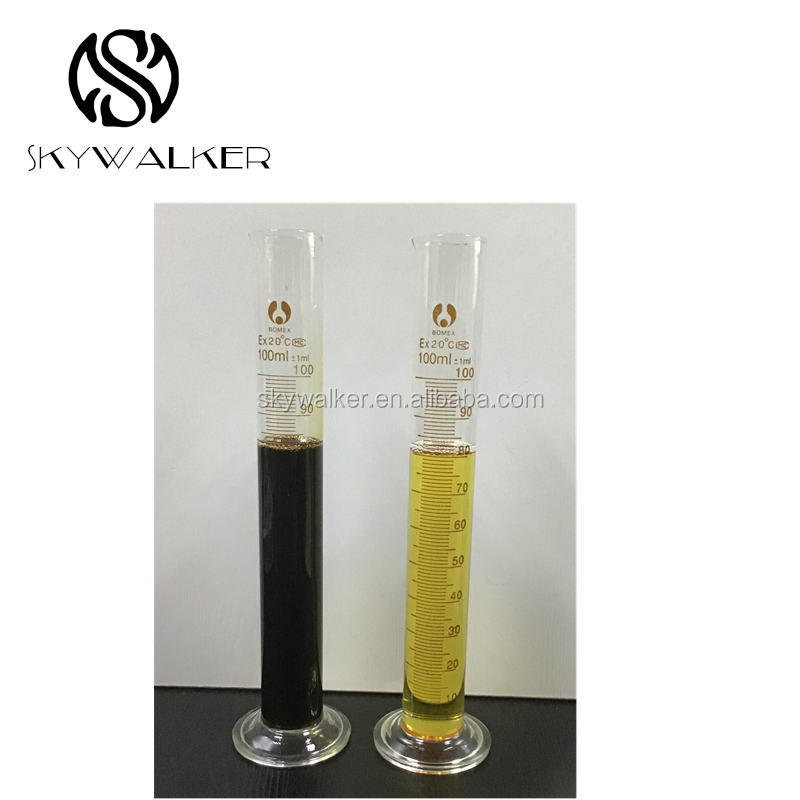
Setting offdiatomaceous earth filtration is a highly effective clearing material commonly used in various processing tasks, particularly when clarifying liquids. Coming from the fossilized remains of paleontological algae, it shows a unique cellular framework that facilitates optimal diatomaceous earth conveying. The element serves by creating a slender sieve layer on a filter press, trapping minute particles while facilitating fluid passage. Determining the best category of microsilica filter compound is necessary for highest yield.
Capitalizing Filtered Sediment Soil for Straining
Silica-rich powder, composed of the fossilized remains of microscopic algae called diatoms, presents a distinctive option for screening various materials. Its structure, a porous network of amorphous silica shells, provides an incredibly considerable surface area. This provides for highly optimal removal of impurities from solutions. Applications range from moisture refinement and spirits creation to swimming processing and even plantation operations. Positives include its natural origin, cost efficiency compared to several synthetic alternatives, and its potential to effectively collect a varied selection of unwanted materials.
- Furnishes superior material removal.
- Is a low-impact choice.
- Fitting for various markets.
Modified Bleaching Stratum: Attributes and Uses
Treated bleaching soil is a type of pure clay that has undergone custom modification to enhance its uptake potential. This system typically involves catalytic metamorphosis, resulting in a modified arrangement with a broad space. Consequently, it exhibits unparalleled fitness to extract discolorations from a substantial variety of composites, finding key tasks in the bleaching of fatty substances, fats, and other biogenic substances. Besides, its harmless property and price attractiveness contribute to its expanding presence in various industries.
Evaluating Diatomite and Alternative Filtration Media
Finding the correct filtering medium for a specific process can be complicated. While perlite and other options exist, diatomite commonly presents a potent case for its superiority. Versus these opponents, diatomite ordinarily offers improved cleanness and a superior throughput of filtration impurities. However, that superior choice ultimately is determined on parameters such as cost, process requirements, and preferred deliverable rank.
How Diatomite Filtration Works
Fossilized diatoms alternatively called siliceous powder filtration cleaning leverages the unique notable structure of characteristic microscopic or tiny algae or organisms. These said diatoms, upon when death, form generate a sedimentary earth-like rock deposit composed constructed of intricately delicately porous cellular silica quartz shells. This such porous sponge-like network system provides an incredibly surprisingly large volume for removing particulate suspended matter contaminants from or within liquids or solutions, achieving facilitating highly precise controlled filtration sorting.
Enhancing Whitening Performance Using Treated Clay
Enhancing the purifying system via treated earth presents a viable solution for elevating output. Such organic material, derived from sediment, possesses exceptional binding capabilities that grant it the ability to adeptly extract dark particles from weaves, thereby lessening the need for harsh manufactured reagents and contributing to a greener effect.
Comprehending The Types of Diatomite Filter Powder
Deciding on the correct filter media type is fundamental for optimal filtration processes. Fossil filter aid grades are classified by their granular measurement, traditionally expressed in mesh sizes. Finer grades, like FF or Filter-X, offer remarkable clarity and are appropriate for delicate liquids, while bulkier grades, such as Perlite or Celite 500, provide a increased flow rate for lower applications. Understanding these disparities will promote you to boost your cleansing outcomes and decrease costs related with the approach.
Ethical Sourcing of Porous Sediment Earth
The growing demand for biogenic silica earth necessitates a urgency on ethical sourcing techniques. Traditional mining often comprises significant ecosystem disturbance and can impact surrounding ecosystems. As of now, forward-thinking businesses are developing alternatives, such as revitalization of retired sites, ensuring reduced disruption and preserving organismic habitats. Furthermore, monitoring in the distribution is growing crucial, allowing customers to adopt informed choices and back environmentally responsible initiatives. Hence, responsible regulation of microshell residue earth deposits is vital for future availability and minimized environmental footprint.
- Decreased land degradation.
- Restoration of extraction sites.
- Greater visibility in the logistics.
Altered Purifying Deposit: A Investigative Perspective
From a scientific standpoint, processed decolorizing material represents a particular class of silicate minerals. At first, kaolinite mud is molecularly modified via enhancement – typically involving alkaline application – to dramatically improve its capturing capabilities. Such modification creates a extensive surface with a significant number of acidic domains, facilitating the retention of stained pollutants from suspensions. The function essentially involves chemical interactions and London engagements, generating a more transparent outcome.