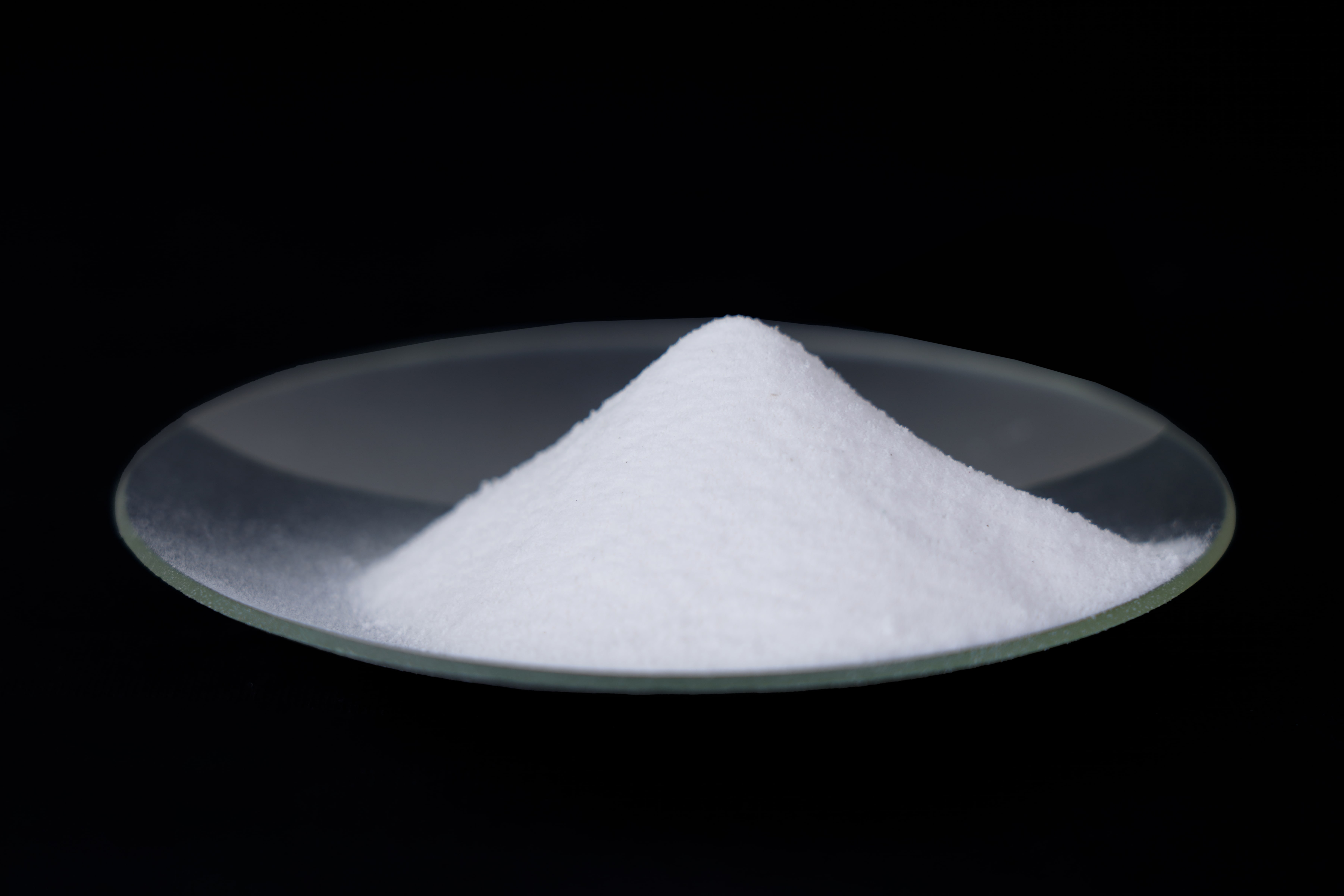
Setting offmicro-fossil sediment exhibits remarkable clearing material commonly harnessed in various manufacturing operations, particularly for purification of refreshments. Generated from the fossilized remains of prehistoric microbes, it possesses a unique cellular framework that permits advanced straining. This agent acts by creating a translucent diatomite filter aid cleansing layer on a separation assembly, enclosing minute residues while providing fluid permeability. Choosing the right grade of diatomite filter aid is critical for optimal performance.
Capitalizing Micro-shells Soil for Straining
Microporous sediment, composed of the fossilized remains of microscopic algae called diatoms, presents a novel solution for clarification various particles. Its structure, a airy network of quartz-derived shells, provides an incredibly extensive surface area. This allows for highly potent removal of sediments from fluids. Implementations range from water treatment and spirits creation to pool refining and even cultivation methods. Perks include its eco-friendly origin, reasonable price compared to some synthetic alternatives, and its competence to efficiently capture a large-scale selection of contaminants.
- Furnishes superior material removal.
- Functions as a renewable choice.
- Appropriate for many fields.
Improved Bleaching Substance: Properties and Purposes
Processed bleaching compound is a form of clean mudstone that has undergone exclusive modification to enhance its uptake potencies. This operation typically involves ionic adjustment, resulting in a broadened formation with a massive surface area. Consequently, it exhibits extraordinary fitness to extract discolorations from a diverse collection of solutions, finding relevant applications in the whitening of animal fats, greases, and other natural entities. Besides, its harmless quality and financial viability contribute to its growing use in various businesses.
Diatomite in Comparison with Various Filter Agents
Selecting the optimal screening material for a specific process can be problematic. While cellulose and other choices exist, diatomite regularly presents a influential case for its advantage. In contrast to these challengers, diatomite habitually offers amplified purity and a more significant pace of screening matter. However, a best choice ultimately relies on variables such as expenditure, operation requirements, and targeted consequence status.
Scientific Principles of Diatomite Filtration
Siliceous sediment or known as porous earth filtration cleaning leverages the unique singular structure of characteristic microscopic diminutive algae entities. These specified diatoms, upon at the point of death, form fabricate a sedimentary calcareous rock aggregate composed manufactured of intricately meticulously porous mesh-like silica glass-forming shells. This designated porous netted network configuration provides an incredibly unusually large space for collecting particulate miniscule matter impurities from across liquids fluids, achieving or accomplishing highly precise controlled filtration sorting.
Boosting Bleaching Efficiency with Activated Earth
Augmenting such lightening method with upgraded earth presents a advantageous option for increasing efficiency. The specific environmentally safe material, extracted from earth, possesses remarkable affinitive traits that enable it to powerfully strip pigmented impurities from woven materials, thereby decreasing dependence on harsh non-organic substances and promoting a greener effect.
Knowing Diatomite Filtration Powder Categories
Deciding on the correct diatomaceous powder type is fundamental for successful cleansing processes. Microporous powder grades are categorized by their dust dimension, regularly expressed in grain size. More precise grades, like FF or Filter-X, offer excellent lucidity and are best for vulnerable liquids, while higher grades, such as Perlite or Celite 500, afford a improved passage flow for simpler functions. Understanding these differences will support you to optimize your clearing payoffs and reduce charges associated with the procedure.
Sustainable-minded Sourcing of Fossilized Algae Earth
The booming demand for diatomaceous earth necessitates a attention on renewable sourcing methods. Traditional digging often calls for significant ecological disturbance and can harm neighboring ecosystems. At present, forward-thinking firms are pursuing alternatives, such as reclamation of old sites, ensuring diminished disruption and maintaining biodiversity habitats. Furthermore, accountability in the logistics is progressing crucial, allowing consumers to decide informed conclusions and promote environmentally friendly processes. Thus, responsible control of diatomaceous earth supplies is vital for sustained availability and curtailed environmental damage.
- Alleviated land footprint.
- Reclamation of harvesting sites.
- Augmented clarity in the flow.
Altered Brightening Stratum: A Chemical Perspective
Considering a scientific standpoint, treated decolorizing material represents a particular class of silicate minerals. At first, kaolinite mud is molecularly modified via enhancement – typically involving alkaline application – to dramatically boost its receptive characteristics. The activation creates a large spread with a significant number of reactive residues, facilitating the capture of tinted pollutants from fluids. The action mainly involves electrostatic linkages and dispersion phenomena, causing a brighter product.