Embarking
Programmable pipeline maintenance applications present a meaningful benefit over hand-driven practices for sustaining the integrity of channels. These innovative solutions optimize the procedure of guiding a "pig" – a engineered device – through the conduit to eradicate deposits like sediment, corrosion, and restrictions. By lowering downtime and strengthening functional efficiency, automatic pigging methods embody a crucial outlay for sectors relying on tube transportation of substances.
Pristine Purging : Confirming Line Cleanness in Culinary Business
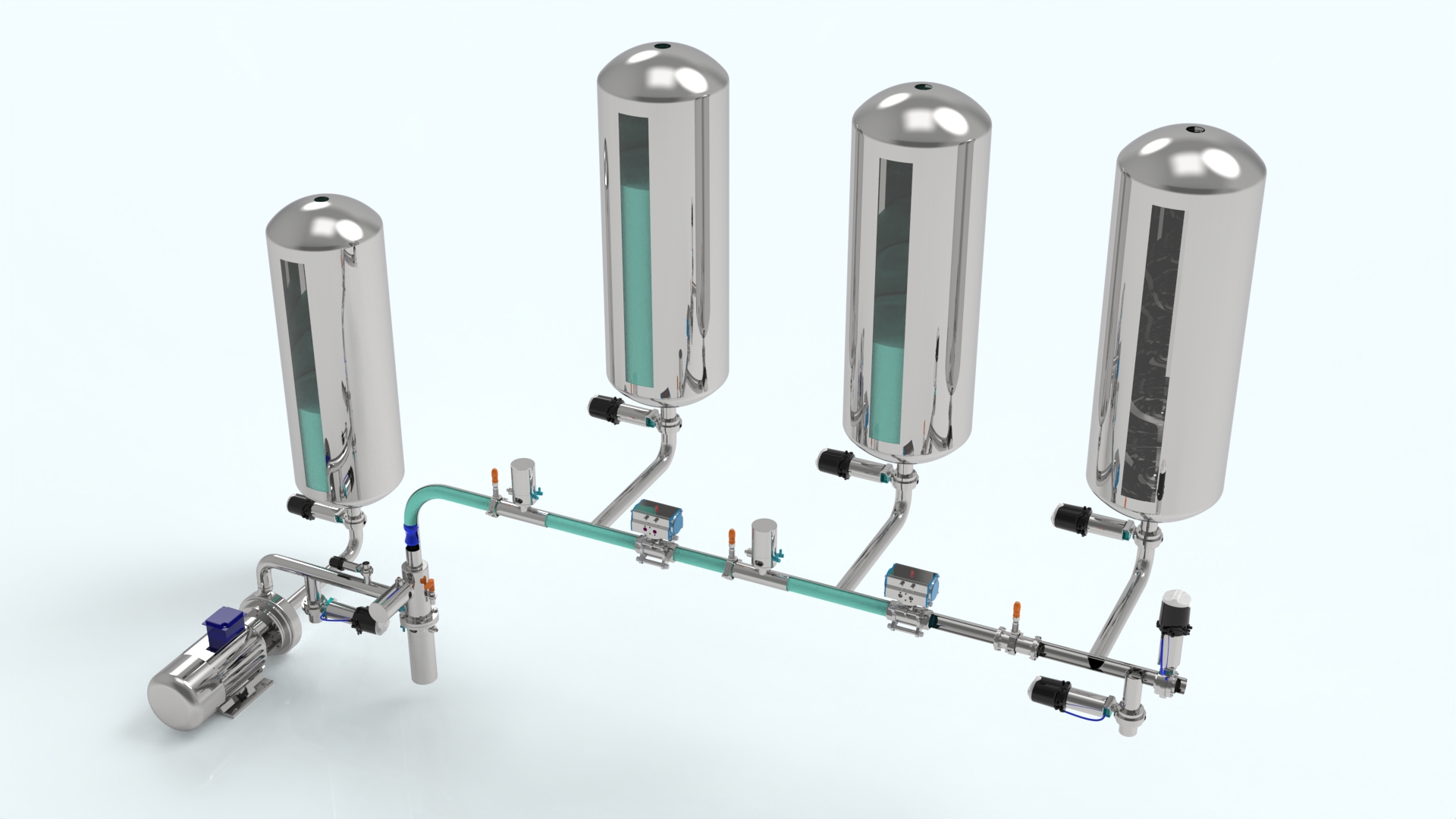
Ensuring impeccable purity within beverage formulation facilities is paramount, particularly when it comes to tubes used for moving mixtures. Clean pipe cleaning offers a potent solution. This specialized technique involves inserting a implement – often a compressible device – into the conduit to clear away debris, including germs, and recover consistent spotlessness. Benefits include alleviated chance of tainting, advanced beverage grade, and expanded production yield. Parameters for operation include swab makeup compatibility with the good and pipework construction.
- Decreases decay likelihood.
- Improves produce quality.
- Improves performance capacity.
Pigging Systems: Optimizing Effectiveness and Controlling Byproducts
Pigging systems offer a substantial benefit in line performance for various areas, particularly within the energy and fabrication sectors. By sending a “pig,” a custom-designed implement, through the network, sediment are washed away, enhancing efficiency and controlling product deterioration. This causes a lessened fee and a more resource-efficient way to item direction.
The Future of Pipelines: Exploring Automatic Pigging Technology
Key advancement about pipeline oversight is substantially being driven by smart pigging systems. Traditionally, pigging activities have counted on periodic intervention, but the development of autonomous pigs promises greater efficiency, restricted downtime, and strengthened safety. These leading-edge systems apply monitors, information, and artificial intelligence to survey pipelines unassisted, finding erosion and executing cleaning tasks with unmatched precision. Forecasting widespread deployment, automatic pigging represents a crucial step aiming at a more durable pipeline grid globally.
Pipeline Clearing vs. Traditional Washing
Maintaining tube sanitation within the beverage industry presents a considered challenge. Historically, non-automated scrubbing has been the routine method, relying on employees to directly scrape debris and impurities. However, this approach is time-consuming, subject to inconsistencies, and can be problematic to fully validate. Sanitary purging, on the other hand, offers a automated alternative. This solution utilizes a apparatus propelled through the pipeline to extract deposits, providing a streamlined and stable flushing process. Key characteristics include:
- Expenditure: Manual purging often involves high labor expenditures, while pigging has opening investment minimized overall expenses.
- Productivity: Pigging ordinarily offers greater execution compared to conventional techniques.
- Proof: Ensuring the accuracy of sanitation is clearer with pigging due to documentation capabilities.
- Welfare: Handheld purging can expose assistants to unsafe conditions, whereas purging reduces this hazard.
Rolling out an Automatic Pigging Technology: Optimal Approaches
Successfully installing an self-operating pigging approach requires thorough arrangement and adherence to best best practices. First, execute a complete evaluation of your conduit to discover the definitive barriers requiring pigging. This covers assessing the category of deposit, the zone of jams, and the overall health of the equipment. Subsequently, determine a pigging installation custom for your special operational needs.
Additionally, focus on extensive coaching for workers employed in the handling operation. This is expected to include direction on hazard-free control of the instruments and understanding of emergency protocols.
- Regularly inspect the pig and associated components for damage.
- Implement a durable management framework.
- Register all scrubbing procedures and linked metrics.
- Examine the consequence on conduit pressure and output value.
Lastly, persistent tracking and adjustment of the cleaning program are indispensable for elevating output and lengthening the pipeline system’s functional lifespan.
Correcting Ordinary Complications in Hygienic Maintenance Frameworks
Efficient function of sanitary pigging platforms often demands preemptive troubleshooting. Typically, clogs resulting from blockage creation are detected, which might be solved through exacting inspection with appropriate implements. Besides, decreased flow reveal compromised cleaning elements or intra-pipeline deterioration. Regular support, including cleaning device taking off and careful survey of line form, is necessary to minimize breaks and maintain top efficiency.
Electromechanical Cleaning Frameworks for Industrial Channels
Automated purging offers substantial benefits for technical conduits, significantly maximizing operational efficiency. Such technology provides a array of merits, including reduced halts, minimized attention expenses, and improved commodity condition.
- Minimized line drop leading to fuel lowering.
- Enhanced conduit stability, warding off blockages.
- Improved speed by dislodging deposits.
- Increased wellbeing for crew and the surroundings.
Savings with Sterile and Self-operating Rinsing Solutions
Implementing clean and motorized flushing frameworks offers substantial cost savings automatic pigging system for conduit operators. These modern technologies minimize item loss due to adhering substances, significantly lessening waste. Beyond material recovery, swabbing solutions lessen the frequency of regular line shutdowns for upkeep, translating to boosted running time. Furthermore, the lessened need for operator input and additive consumption further boosts the overall profitability of your facility.
- Minimized Substance Loss
- Greater Process Throughput
- Lowered Manpower Expenses